Answering your most common questions about GLP-1s
A doctor’s guide to weight loss treatment


Time to read: 10 min

Login to your account
GLP-1 medications have become increasingly popular weight loss treatments, offering those who take them the potential for significant weight loss.
But with this popularity comes a lot of misinformation. In this guide, I aim to dispel the most prevailing myths about GLP-1 medications and give you a clearer understanding so you can start your weight loss journey with confidence.
GLP-1 stands for glucagon-like peptide 1, a naturally occurring hormone responsible for appetite, blood sugar control, and certain aspects of digestion.
Weight loss treatments in this category are called “GLP-1 receptor agonists”. They are designed to mimic this hormone to help you eat less and lose weight over time.
It is important to note that not all these medications are identical:
Despite this key difference, it’s not uncommon to hear dual agonists like Mounjaro simply referred to as “GLP-1s” since they work in roughly the same way to help you lose weight.
Now that you know what GLP-1s are, here is how they work for weight loss:

You can read my articles on how Mounjaro works and how Wegovy works for more information.
There is no one “best” GLP-1, as results can differ between individuals. While Mounjaro can work best for one person, Wegovy might work better for another.
With that said, some weight loss treatments do perform better in clinical settings, leading to slightly better weight loss results on average. Mounjaro in particular is regularly proven to be the most effective GLP-1 for most people, as seen in this study comparing Mounjaro with Wegovy. But, again, individual responses can vary.
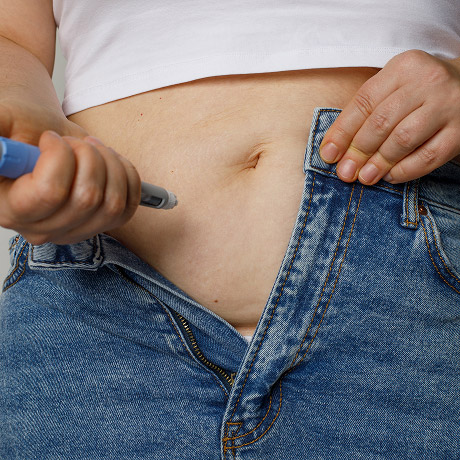
The most widely used GLP-1 medications are in the form of weekly injections, but they are also available as daily tablets (Wegovy pills, Foundayo).
Subcutaneous injections possess the benefit of once-weekly dosing, whereas the tablets provide a needle-free alternative. Which one you use mainly depends on your personal preference and medical suitability.

There are many unregulated weight loss supplements on the market that claim to boost GLP-1, including supposed GLP-1 drops or patches.
However, many of these are not medically approved products, and do not contain effective medicine. You should be extremely wary of any products marketed online as GLP-1s that come in the form of liquid drops or patches, and only order medicine from a trusted healthcare provider, such as euroClinix.
When it comes to weight loss treatment, everyone’s journey is different. Weight loss can vary depending on things like age, starting weight, personal health factors, and adherence to a healthy diet and exercise routine.
It also depends on which GLP-1 you’re taking. While individual responses to treatment vary, some weight management treatments generally provide more significant fat loss. Here are some of the most popular ones compared:
| Mounjaro | Wegovy | Wegovy pills | Foundayo | Saxenda | |
|---|---|---|---|---|---|
| Average weight loss | 22.5% in 17 months1 | 21% in 17 months2 | 17% in 15 months3 | 12.4% in 72 weeks4 | 11% in 56 weeks5 |
| Avg weight loss (1 year) | ~18% | ~17% | ~15% | ~11% | ~11%5 |
| Weight loss ≥ 10% | 83.5% of people | 82.4% | 63% | 54.6% of people | 33% of people |
| Weight loss ≥ 20% | 56.7% of people | 47.7% | 28% | 18.4% of people | – |
Studies:
Keep in mind that you may respond to treatment differently, and that weight loss can vary between people. In general, it can take a few weeks or months before you notice a difference in your weight, and the best results are typically seen after a year or so.
GLP-1s are not suitable for everyone. Each treatment will have their own contraindications, but here is a list of people who generally should not take GLP-1s:
Specific GLP-1 medications may have their own unique contraindications that you should be aware of before you take them. That’s why a prescription from a licensed healthcare provider is so important. Make sure you tell your doctor about anything that may make GLP-1s unsafe before starting treatment.
GLP-1s aren’t the only weight loss treatment available, and other medicines can certainly help you lose weight. However, effectiveness varies widely.
Other treatments include weight loss pills like Mysimba and Xenical (Orlistat). These work a little differently to help you lose weight:
While these are valid alternatives to GLP-1s, they are typically less effective for most people. According to research on weight loss treatments, you can expect to lose around 10% of your body weight within a year with each of them. That’s still a significant change, but not quite as drastic as seen with GLP-1s.
Be cautious of wellness products and dietary supplements claiming to offer rapid weight loss. Unlike prescription GLP-1 medications, these products are often marketed without clinical backing, rigorous testing, or regulatory oversight. As a result, they may be ineffective at best or potentially unsafe at worst. It’s always best to consult a healthcare professional before starting any new weight loss supplement.
The effects of GLP-1s, like appetite suppression and blood sugar regulation, go away shortly after you stop using them.
This can mean your appetite returning, your metabolism readjusting, and difficulty maintaining your diet. In fact, a study on weight regain after stopping weight loss medications found that the average person gained 0.4 kg every month. That’s why it's important to develop long-term strategies during treatment.
Here are my tips to stay on track after stopping treatment with GLP-1s:

For more information, you can read my article on how to keep weight off after stopping Mounjaro.
Side effects from GLP-1s like Mounjaro are common, with more than 1 in 10 people who take it likely to experience gastrointestinal problems like nausea, diarrhoea, or stomach pain.
This happens as your body adjusts to the medicine, especially when increasing your dose or using it for the first time. The good news is that most side effects are mild and should go away within a few days or weeks.
If you experience mild side effects, try not to worry. This is a common reaction as your body adjusts to the medicine. However, side effects that persist for longer than a month should be discussed with your doctor.
While drinking on GLP-1s isn’t necessarily dangerous, excessive alcohol can make side effects worse and interfere with your weight loss.
Try to drink in moderation during treatment with a GLP-1, and stop drinking entirely if they are causing side effects or making them worse.
It is also worth mentioning that eating less can make the effects of alcohol more intense, so you should be mindful of how alcohol makes you feel before drinking too much, and never drink on an empty stomach.
Most GLP-1 medications are prescribed as a gradual titration schedule. This means you start on the lowest dose and increase it over time to help you find the right balance between maximising your weight loss potential and minimising the risk of side effects.
With that being said, you do not have to increase your dose if you don’t want to. As a general rule, you should try and find the lowest dose possible that is effective for your weight loss goals. For some people, this may be the maximum dose, while others find satisfactory results with a lower one.
It is a common misconception that GLP-1 medications “stop working” the longer you use them. In reality, the treatments should continue to work as long as you use them.
What people are usually experiencing when they think their treatment has stopped working is a weight loss plateau, a natural response where your progress slows down or stalls. This is most likely due to something called metabolic adaptation, where your body burns fewer calories when you weigh less.
If you reach a plateau, don’t just assume your treatment has stopped working. Instead, I advise you to speak with your doctor about increasing your dose, or to rethink your current diet and exercise routine.
Yes, they are safe when used as directed under the guidance of a qualified healthcare professional. It's crucial to only get them through a legitimate, licensed pharmacy or provider. This ensures the medication is genuine, that you're a suitable candidate, and that you're monitored properly throughout your journey.
No, they are prescription-only medications. To qualify, you'll typically need to have either:
If you think you meet one of these criteria, you can start a brief consultation with euroClinix to see if weight loss treatment is right for you.

Best exercises while taking GLP-1s for weight loss
Reviewed by Dr. Allyson Betts
How to keep the weight off after stopping Mounjaro
Reviewed by Dr. Elizabeth Bhupal

What to expect during your first month on Mounjaro
Reviewed by Dr. Allyson Betts


Why you may not be losing weight on Mounjaro
Reviewed by Dr. Allyson Betts
Mounjaro side effects explained
Reviewed by Dr. Allyson Betts
Select
medication
Fill out a short
medical form
Doctor issues
prescription
Medication sent
from pharmacy